




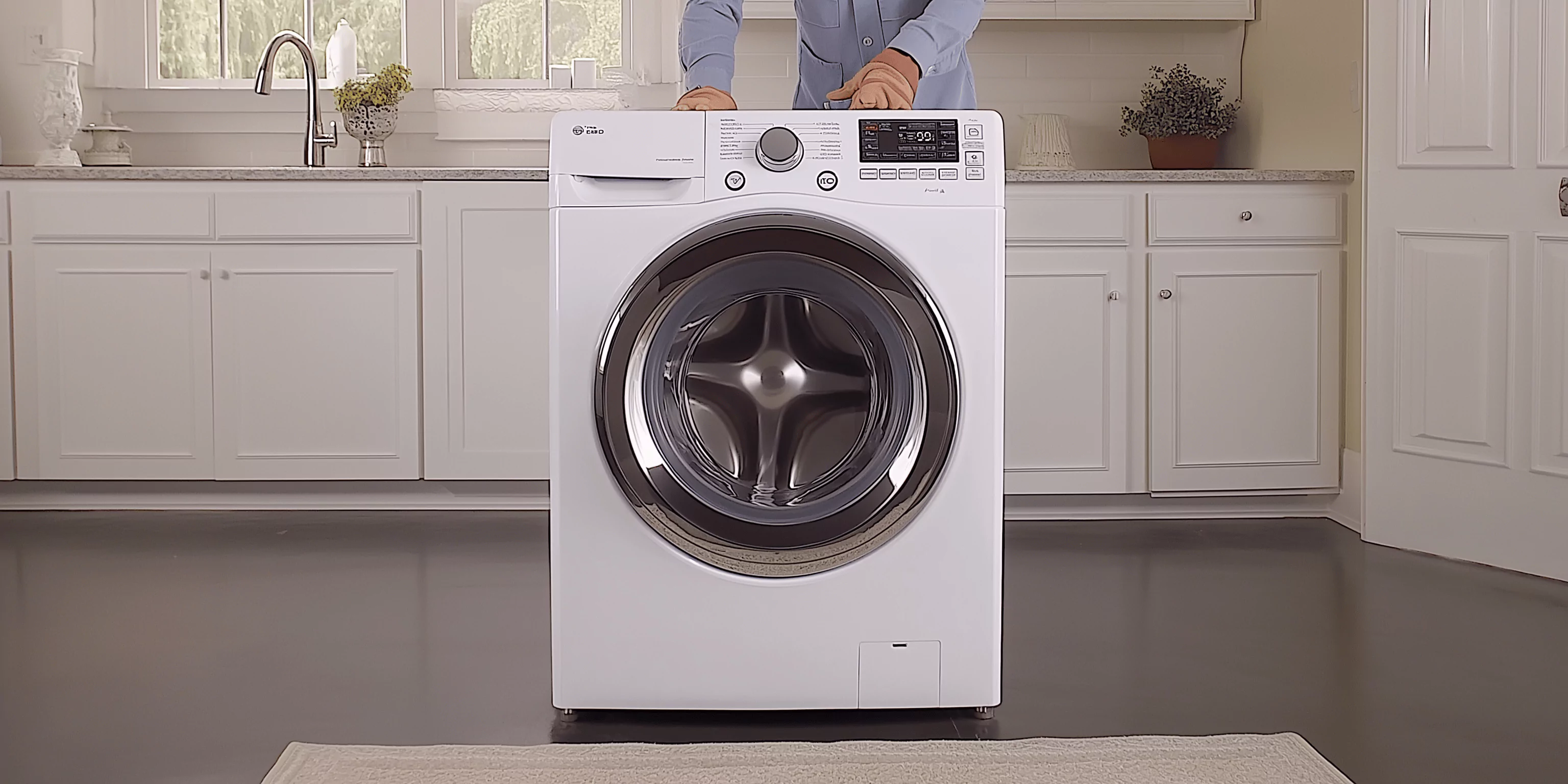
Dishwasher Not Cleaning Dishes? Troubleshooting Guide & Solutions
Your dishwasher runs a full cycle, but dishes come out dirty, spotted, or greasy. This frustrating problem is more common than you might think, and there are several potential causes. In this guide, we'll help you diagnose why your dishwasher isn't cleaning properly and provide solutions you can try.
1. Clogged Spray Arms
Dishwashers clean by spraying hot water and detergent through small holes in rotating spray arms. If these holes become clogged with food particles or mineral deposits, water won't reach all your dishes.
How to clean spray arms:
- Remove the spray arms (usually they twist or pull out)
- Hold them up to light and look for visible blockages
- Use a toothpick or paper clip to clear each hole
- Soak in hot vinegar solution for 30 minutes to dissolve mineral deposits
- Rinse thoroughly and reinstall
2. Blocked or Clogged Filter
Dishwasher filters trap food debris to prevent clogs. When the filter becomes full, water circulation is compromised, and dishes won't get clean.
Cleaning the filter:
- Locate the filter (usually at the bottom center of the tub)
- Remove and empty any visible debris
- Rinse under running water
- Use a soft brush to clean the mesh
- Soak in hot water with vinegar if mineral buildup is visible
- Reinstall securely
3. Low Water Temperature
Hot water is essential for dissolving detergent and cutting through grease. If your dishwasher water isn't hot enough, cleaning performance suffers dramatically.
Solutions:
- Check your water heater setting (should be 120°F/49°C minimum)
- Run hot water from your kitchen sink before starting the dishwasher
- Some dishwashers have a heating element—verify it's functioning
4. Incorrect Detergent Type or Amount
Using the wrong type or wrong amount of detergent is a leading cause of poor cleaning. Pods, powders, and liquids work differently, and too much or too little affects results.
Detergent tips:
- Use detergent designed specifically for dishwashers
- Follow manufacturer recommendations for amount
- Don't use liquid hand soap (it creates excessive suds)
- Consider your water hardness when choosing detergent
- Store detergent in a cool, dry place (moisture reduces effectiveness)
5. Overloading the Dishwasher
Cramming too many dishes into one load prevents water from reaching all surfaces. Proper loading is essential for effective cleaning.
Loading best practices:
- Leave space between dishes so water can circulate
- Don't block spray arms with large plates or pans
- Place heavily soiled items on the lower rack (it has more water pressure)
- Don't put delicate items where they can shift during the cycle
6. Mineral Buildup (Hard Water Issues)
If you have hard water, mineral deposits can accumulate on dishes and inside the dishwasher, clouding glasses and reducing cleaning effectiveness.
Solutions for hard water:
- Use a rinse aid to prevent spotting
- Run a cleaning cycle with white vinegar monthly
- Use detergents formulated for hard water
- Consider a whole-house water softener
When to Call a Professional
If you've tried these troubleshooting steps and your dishwasher still isn't cleaning properly, a mechanical problem may be at fault. Professional service can diagnose:
- Failing heating elements
- Broken circulation pump
- Malfunctioning wash cycles
- Water supply issues
Contact Alex Appliance Repair at (463) 248-8429 for expert dishwasher diagnosis and repair.
Need Professional Help?
If you need professional assistance with appliance repair, Alex Appliance Repair is here to help.
📞 Call for Service: (463) 248-8429